Nigeria’s history is as diverse as its people, spanning ancient prehistoric civilizations, powerful medieval empires, the colonial era, and a complex modern republic. One of the best ways to experience this rich cultural heritage and learn about the nation’s roots is by exploring the country’s museums.
Currently, the National Commission for Museums and Monuments (NCMM) oversees a vast network of around 53 national museums and outlets nationwide. Whether you are a history buff, an art lover, a student researching Nigerian history, or a curious tourist, knowing about the museums in Nigeria and where to find them is essential for building a truly memorable cultural itinerary.
Based on consistent rankings across tourism sites, historical significance, and the sheer uniqueness of their collections, we have compiled the ultimate guide to the top museums in Nigeria.
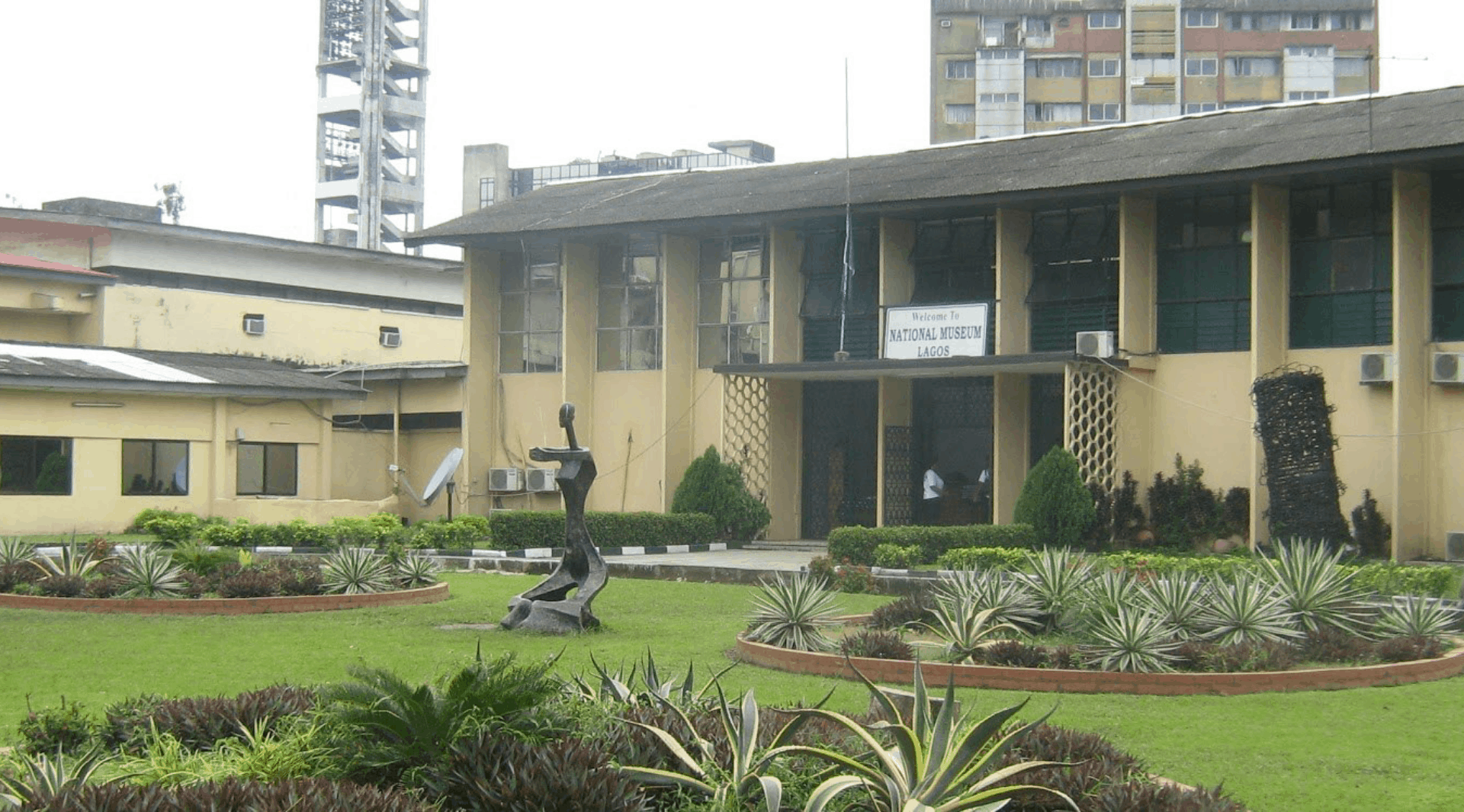
1. National Museum, Lagos (Onikan)
Location: King George V Road (Onikan Road), Onikan, Lagos Island, Lagos State.
Established: 1957
Established by English archaeologist Kenneth Murray to build a formal national museum system, the Nigerian National Museum in Lagos is the cornerstone of the country’s cultural preservation. It houses a staggering estimated collection of 47,000 objects covering Nigerian art, archaeology, and ethnography, making it one of the most comprehensive institutions in West Africa.
Key Highlights:
- The Nok Terracotta: Featuring the world-famous Jemaa Head (c. 900–200 BC), showcasing the incredible craftsmanship of early Nigerian civilizations.
- Royal Artifacts: Intricate Ife and Benin artifacts, including globally recognized bronzes, plaques, and ivories, alongside Igbo-Ukwu bronzes, traditional Egungun costumes, masks, textiles, and drums.
- Modern History: The preserved, bullet-riddled black Mercedes Benz in which General Murtala Muhammed was tragically assassinated in 1976.
SEO & Visitor Tip: Recent renovations have modernized the space, adding interactive elements and chronological displays like “Echoes of the Past.” Photography is now permitted in select remodeled galleries. It is highly visited; you can reach them via lagos.museum@ncmm.gov.ng or by phone (e.g., 08033035966).
2. Jos Museum and Complex
Location: 1 Museum Street (Museum Road area), Jos, Plateau State.
Established: 1952
Opened by British archaeologist Bernard Fagg, the Jos Museum was Nigeria’s second major public museum. It was originally built to house the incredible Nok discoveries unearthed during local tin-mining operations, and today it serves as a major hub for archaeological research and training.
Key Highlights:
- Prehistoric Masterpieces: An unrivaled collection of prehistoric Nok terracotta heads (500 BC–200 AD)—some of the earliest known large-scale figurative sculptures in sub-Saharan Africa.
- MOTNA: The adjoining Museum of Traditional Nigerian Architecture (MOTNA) is an absolute must-see. It features life-size, walk-through reconstructions of traditional Nigerian architecture, including the Kano city walls, the Zaria mosque, and a traditional Tiv village compound.
- Pottery & Industry: A dedicated pottery hall featuring fine ceramics from across the nation, alongside exhibits detailing the colonial-era tin-mining and railway industries.
- Extra Attractions: The complex often adjoins the Jos Zoo and Botanical Garden elements, making it a great day trip.
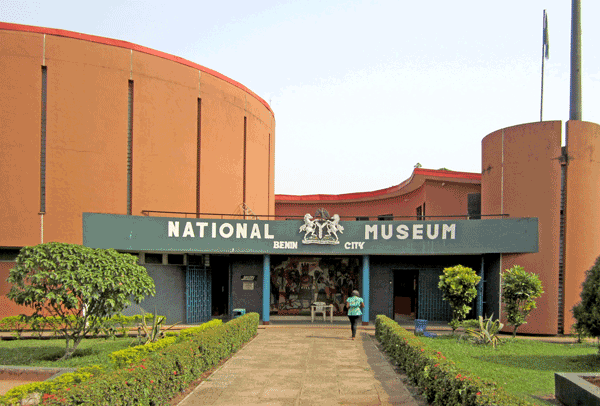
3. National Museum, Benin City
Location: Ring Road / King’s Square (Avbiama area), Benin City, Edo State.
Established: 1973 (Collections date back to the 1940s)
Sitting in the historic heart of the city near traditional bronze-casting streets, this museum officially opened to the public in a purpose-built structure in 1973. Its collections were largely formalized under Oba Akenzua II. It is an essential stop for anyone wanting to understand the power and artistry of the great Benin Empire.
Key Highlights:
- The Benin Bronzes: A profound focus on the historic Benin Kingdom, featuring original bronze and brass heads, elaborate plaques, ivory carvings, cast iron, and reconstructed royal altars.
- Regional Culture: Extensive galleries covering regional Edo and Delta artifacts, including divination tools, pottery, and ceremonial masks, plus a Unity Gallery with broader Nigerian pieces.
- Repatriation Focus: The museum occasionally features displays of repatriated Benin artifacts, positioning it at the center of the ongoing global conversation about the return of looted cultural heritage. (Note: The new Museum of West African Art (MOWAA) is also developing nearby as a contemporary complement).
4. National War Museum, Umuahia
Location: Ebite Amafor / Ugunchara Road area, Isingwu Autonomous Community, Umuahia North LGA, Abia State.
Established: 1985
If you are researching the top museums in Nigeria with a focus on military history, this is the definitive destination. The National War Museum, Umuahia is uniquely situated at the site of the former Voice of Biafra bunker, giving it a profound historical atmosphere.
Key Highlights:
- Comprehensive War History: Extensive galleries covering Traditional Warfare, the evolution of the Armed Forces, and an emotional, detailed look at the Nigerian Civil War (1967–1970).
- Open-Air Military Exhibits: Fascinating outdoor displays of decommissioned tanks, armored vehicles, fighter aircraft, and naval ship components.
- Local Innovation: Rare exhibits of local wartime innovations and engineering, most notably the Ogbunigwe (mass killer) explosives.
5. Gidan Makama Museum, Kano
Location: Opposite the Emir’s Palace, Emir Palace Road (Wudilawa / Kofar area), Kano city, Kano State.
Building History: Constructed c. 1442 (Converted to a museum in the mid-20th century).
The building itself is a breathtaking historical exhibit. Built around 1442 for a Makama (heir) under Emir Abdullahi Burja, this 15th-century mud-wall structure is one of the finest surviving examples of traditional Hausa architecture.
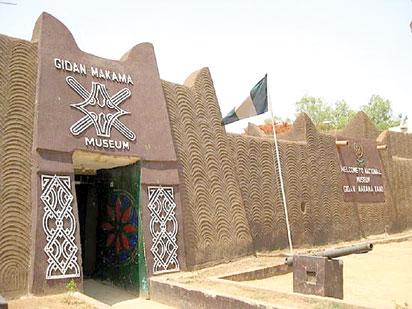
Key Highlights:
- Hausa Heritage: Between 9 to 11 galleries chronicling Kano’s statehood, economy, and 19th-century life.
- Ancient City Life: Detailed exhibits on the ancient Kano city walls, structural gates, maps, traditional music, local crafts, and Civil War references.
- Authentic Atmosphere: Authentic Hausa and Kanawa ethnographic materials are housed within a deeply historical setting, with open courtyard spaces occasionally used for traditional dance and drama performances.
6. The Oldest Museum: Esie Museum
While the top five offer massive, diverse collections, no guide to Nigerian museums is complete without dedicating space to the Esie Museum in Kwara State.
Opened in 1945, it is actually Nigeria’s first museum. It houses the largest known collection of soapstone (steatite) human figures in sub-Saharan Africa. The museum holds over 1,000 mysterious statues, many depicted seated or playing instruments, with varied headdresses and beads. Their exact origins remain a fascinating archaeological puzzle. Oral traditions claim they are petrified remnants of ancient settlers, while archaeologists date them roughly between the 12th and 15th centuries.
7. Other Notable Nigerian Museums
If you are expanding your tourist itinerary, consider adding these incredibly important historical sites to your list:
- Badagry Heritage Museum (Lagos State): Focused heavily on the transatlantic slave trade, housed in historic colonial buildings.
- National Museum, Calabar (Cross River State): Located in the Old Residency, this museum offers deep insights into colonial history, the slave trade, and early palm oil commerce.
- Oron Museum (Akwa Ibom State): Famous for its incredible collection of Ekpu (ancestral figures) and unique artifacts related to the Civil War.
- National Museum, Kaduna: A great spot to view traditional northern artifacts, craftwork, and archaeological finds.
Practical Tips for Visitors
When researching the location and year of establishment for your visit, keep in mind that operational details in Nigeria can fluctuate.
- Operating Hours: Standard gallery hours for many national museums are roughly Monday–Saturday 9:00 AM to 4:00 PM (or 16:00), and Sunday 11:00 AM to 4:00 PM. Always verify via local contacts before traveling.
- Entry Fees: Fees are highly affordable, generally ranging from ₦500 to ₦2,000+ for locals, with slightly higher rates for foreign tourists or camera permits. Bring small denominations of cash.
- Guided Tours: Always hire an on-site guide if available. The storytelling and historical context they provide are essential, as exhibit plaques can sometimes be sparse.
- Rules: Photography and touching rules vary heavily. While Lagos is relaxing its rules in certain areas, Benin City has strict no-photography policies for specific sacred artifacts.
Frequently Asked Questions (FAQs)
What is the oldest museum in Nigeria?
The Esie Museum, located in Irepodun LGA of Kwara State, is the oldest museum in Nigeria. Established in 1945, it is famous for housing over 1,000 mysterious, ancient soapstone figures.
How many national museums are in Nigeria?
The National Commission for Museums and Monuments (NCMM) oversees a network of approximately 53 national museums, outlets, and monuments spread across the country.
Which Nigerian museum has the Benin Bronzes?
The National Museum in Benin City, Edo State, houses a significant collection of the famous Benin Bronzes, ivory carvings, and plaques. The National Museum in Lagos also holds several prominent Benin artifacts.
Can I take pictures inside Nigerian museums?
Photography policies depend entirely on the location. The National Museum in Lagos allows photography in newly remodeled galleries, but places like the Benin City museum heavily restrict photography to protect the cultural and spiritual integrity of the artifacts. Always ask the museum staff for permission first.
Are Nigerian museums family-friendly?
Yes! Museums in Nigeria offer great educational experiences for children and students. Locations like the Jos Museum, which sits adjacent to a zoo and features life-size architectural replicas, are particularly engaging for families.